Understanding Diabetes: Prevention and Early Detection
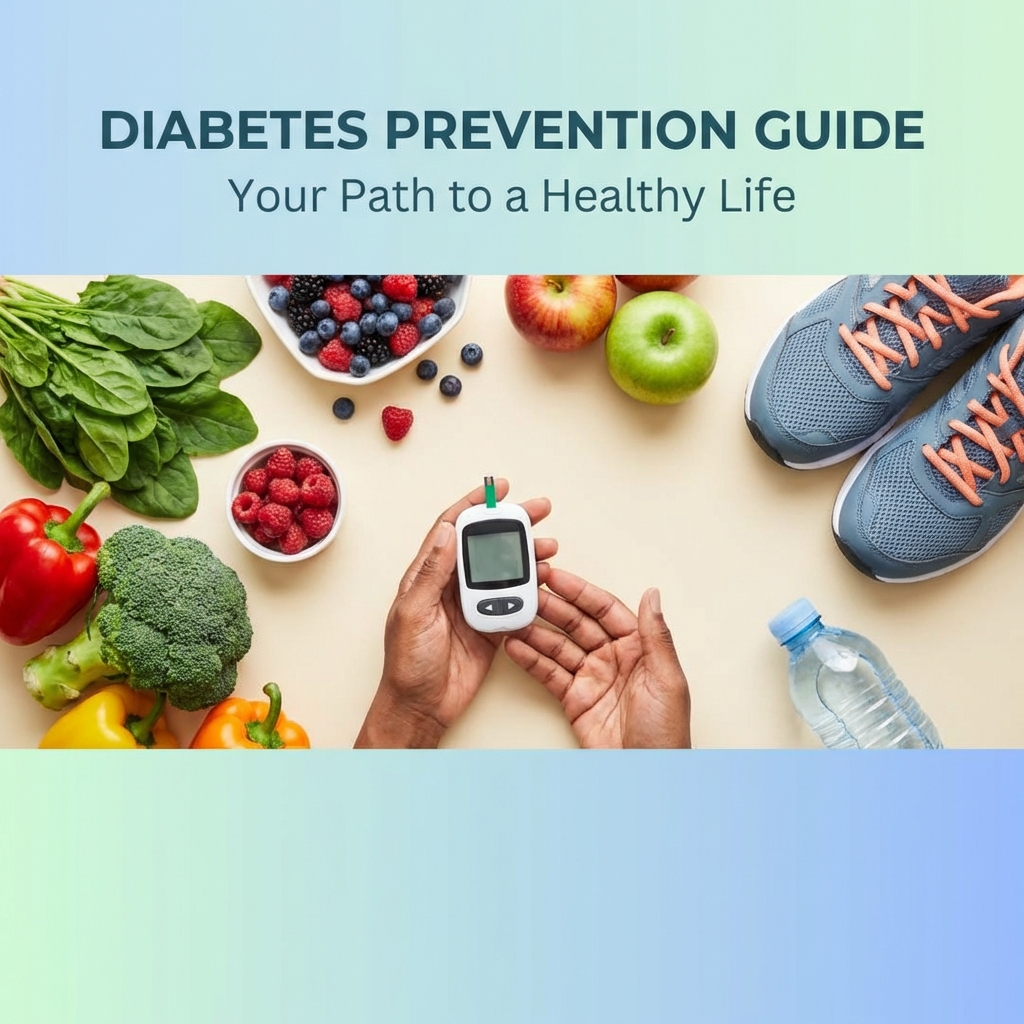
Diabetes is one of the fastest-growing chronic conditions worldwide. Understanding how to prevent diabetes and detect it early can significantly improve long-term health outcomes.
What is Diabetes?
Diabetes is a metabolic disorder characterized by elevated blood sugar levels. There are two main types:
- Type 1 Diabetes: An autoimmune condition where the body doesn't produce insulin
- Type 2 Diabetes: The body becomes resistant to insulin or doesn't produce enough
Risk Factors for Diabetes
Certain factors increase your risk of developing diabetes:
- Family history of diabetes
- Being overweight or obese
- Physical inactivity
- Age over 45 years
- High blood pressure
- Abnormal cholesterol levels
Early Warning Signs
Be aware of these early symptoms:
- Increased thirst and frequent urination
- Unexplained weight loss
- Fatigue and weakness
- Blurred vision
- Slow-healing wounds
- Frequent infections
Prevention Strategies
You can reduce your diabetes risk through lifestyle modifications:
1. Maintain a Healthy Weight
Losing even 5-7% of your body weight can significantly reduce diabetes risk.
2. Stay Physically Active
Aim for at least 150 minutes of moderate aerobic activity per week, such as brisk walking.
3. Eat a Balanced Diet
Focus on whole grains, fruits, vegetables, lean proteins, and healthy fats. Limit processed foods and sugary beverages.
4. Regular Health Screenings
Get your blood sugar tested regularly, especially if you have risk factors.
When to See a Doctor
Consult a healthcare provider if you:
- Have any early warning signs
- Have a family history of diabetes
- Are overweight and over 45 years old
- Need help with lifestyle modifications
Conclusion
Diabetes is largely preventable through healthy lifestyle choices. Early detection and proper management can prevent complications and improve quality of life. Regular checkups and maintaining a healthy lifestyle are your best defense against diabetes.